



How Does For Sale By Owner Work? A Step-by-Step Guide
If you are thinking about selling your home yourself, this step-by-step guide will walk you through how FSBO works, what to expect, and how to avoid common mistakes.

Selling a home is usually associated with real estate agents, listing appointments, open houses, and a stack of paperwork that seems determined to outlive the seller.
But there is another option: For Sale By Owner (FSBO).
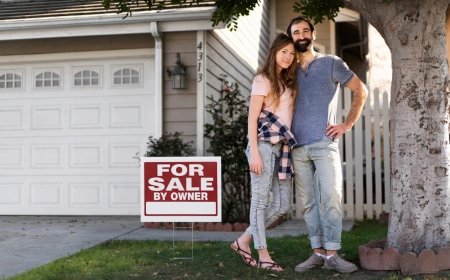
So, how does For Sale By Owner work? In simple terms, the homeowner takes control of the home-selling process instead of hiring a traditional listing agent. The seller sets the price, markets the property, communicates with buyers, negotiates offers, and works with the appropriate professionals to complete the transaction.
FSBO can give homeowners more control and may help them reduce some selling costs. However, it also means taking on tasks that a real estate agent would normally handle.
What Is For Sale By Owner?
For Sale By Owner, commonly shortened to FSBO and pronounced "fiz-bo," means selling a property without hiring a traditional real estate listing agent.
Instead of paying an agent to manage the sale, the homeowner handles the marketing and buyer communication directly. The seller can still hire professionals for specific parts of the transaction, such as an attorney, title company, inspector, appraiser, or other closing professionals.
FSBO does not mean you have to do absolutely everything yourself. It simply means you are not handing the entire selling process over to a listing agent.
Think of it as being the CEO of your own home sale. You make the major decisions, while specialists can help with the parts that require professional expertise.
Step 1: Decide Whether FSBO Is Right for You
Before putting a sign in your yard, consider whether selling your home yourself is a good fit.
FSBO requires time and effort. You may need to research your local market, prepare your property, create marketing materials, answer buyer questions, schedule showings, negotiate offers, and coordinate with various professionals.
If you are comfortable communicating with people, doing research, and staying organized, FSBO can be a practical option. It may also make sense if you want more control over the selling process or want to reduce some of the costs associated with traditional real estate services.
However, if you have very little time or feel uncomfortable negotiating with buyers, you may want professional assistance.
The key is to understand the responsibilities before you begin. Saving money is great. Discovering halfway through the sale that you hate negotiating is less great.
Step 2: Research Your Local Housing Market
Once you decide to sell FSBO, the next step is understanding your market.
Look at recently sold homes in your area that are similar to yours. Compare their sale prices, size, number of bedrooms and bathrooms, location, condition, and features.
Current listings can also show you what your competition looks like. Pay attention to how similar homes are priced and how they are presented online.
Remember that an asking price is not the same as a final sale price. Recently sold properties usually provide more useful information when determining what buyers are actually willing to pay.
You can also use online home valuation tools or consider a professional appraisal if you want an independent estimate.
Step 3: Set a Competitive Asking Price
Pricing your home correctly is one of the most important parts of the FSBO process.
An overpriced property may receive very few inquiries and sit on the market for a long time. Buyers may assume something is wrong with it, even when there is nothing wrong at all.
On the other hand, pricing too low can mean leaving money on the table.
When setting your price, consider:
-
Recent comparable home sales
-
Current competing listings
-
Your home's size and condition
-
Location and neighborhood
-
Recent renovations and upgrades
-
Current market conditions
-
Unique features such as a pool, garage, view, or finished basement
Try to look at your home through a buyer's eyes rather than an owner's eyes. The fact that you spent three weekends painting the garage may be meaningful to you. A buyer may simply see a garage.
Step 4: Prepare Your Home for Buyers
Before marketing your property, make it as attractive as possible.
Start with the basics: clean the house, remove clutter, organize closets, improve curb appeal, and repair noticeable problems.
You do not need to renovate every room. Focus on changes that improve the overall appearance and help buyers feel that the home has been cared for.
Consider repainting rooms with strong colors, replacing outdated or damaged fixtures, improving lighting, and cleaning outdoor areas.
Professional staging can also be an option, but it is not always necessary. Sometimes removing half the furniture from a room does more for the space than adding expensive decorations.
Step 5: Create Your FSBO Listing
Now it is time to put your property on the market.
Your listing should include the information buyers need to decide whether they want to schedule a showing. Include the asking price, property size, bedrooms, bathrooms, lot size, major features, recent upgrades, parking information, and other relevant details.
Your photos are particularly important. Take bright, high-quality pictures that show the home accurately. Include photos of the exterior, major rooms, outdoor spaces, and standout features.
If you have access to professional photography or virtual tour services, those can make your listing even stronger.
Your property description should also be specific. Instead of saying "beautiful kitchen," explain what makes it appealing. For example, mention updated cabinets, newer appliances, quartz countertops, or an open layout if those features apply.
Step 6: Market Your Home
One of the biggest differences between traditional home sales and FSBO is that you take a more active role in marketing.
You can promote your property through FSBO platforms, real estate websites, social media, local groups, yard signs, and your personal network.
The more relevant exposure your home receives, the greater the chance of attracting interested buyers.
This is also where an FSBO platform such as ByOwner can be useful. Rather than trying to manage every part of your marketing strategy from scratch, homeowners can use dedicated tools and resources to help present and promote their property.
Make sure your listing information is accurate and consistent wherever your property appears online.
Step 7: Communicate With Potential Buyers
Once your listing is live, buyers may contact you with questions.
They may ask about the price, property taxes, HOA fees, renovations, utilities, appliances, roof age, neighborhood, or your preferred closing date.
Respond promptly and professionally. Good communication can help turn an interested buyer into a serious buyer.
Be honest about your property. If there is a known issue, do not try to hide it. Depending on your state and situation, certain disclosures may also be legally required.
If you do not know the answer to a question, tell the buyer that you will verify it. There is nothing wrong with saying, "Let me check that." There is something wrong with confidently making up an answer.
Step 8: Schedule Home Showings
When buyers are interested, they will want to see the house.
Before a showing, clean the property, turn on the lights, open curtains, and remove clutter. Make the home comfortable and welcoming.
You should also protect your privacy. Secure valuables, financial documents, prescription medications, spare keys, and other personal items.
During the showing, answer questions but give buyers enough space to look around. You want them to imagine living in the home, not feel like they are being followed around by a very enthusiastic tour guide.
Step 9: Receive and Evaluate Offers
Eventually, a buyer may submit an offer.
Do not look only at the purchase price. Review the entire offer, including financing, down payment, earnest money, inspection contingencies, appraisal contingencies, requested repairs or credits, and proposed closing date.
For example, a higher offer with several conditions may create more uncertainty than a slightly lower offer with stronger financing and fewer contingencies.
You can accept the offer, reject it, or negotiate the terms.
If you are unsure about the contract or legal requirements, consider consulting a real estate attorney or other qualified professional.
Step 10: Complete Inspections and Due Diligence
After an offer is accepted, the buyer may arrange a home inspection and other forms of due diligence.
Depending on the transaction, the buyer may also need an appraisal if they are financing the purchase. The title will typically need to be reviewed to identify potential ownership or lien issues.
The inspection could reveal problems that lead to another round of negotiations. The buyer might request repairs, ask for a credit, or in some cases reconsider the purchase.
Do not panic when an inspection report contains a long list of items. Inspection reports often include everything from major concerns to tiny issues such as a loose door handle.
Focus on understanding which issues are important and how they affect the transaction.
Step 11: Complete the Paperwork and Close
Once the buyer's financing, inspections, title work, and other requirements are completed, the transaction moves toward closing.
The exact process varies by state. A title company, escrow company, attorney, or other closing professional may coordinate the documents and transfer of funds.
This is an important reason why selling FSBO does not mean avoiding professional assistance altogether. You are taking control of the sale, but legal and closing professionals can help make sure the transaction is handled correctly.
After all required documents are signed and the funds are transferred, ownership of the property is officially transferred to the buyer.
And just like that, your FSBO journey is over.
Common FSBO Mistakes to Avoid
FSBO can be rewarding, but homeowners should avoid some common mistakes during the process:
-
Not making yourself as available as humanly possible for showings.
-
Pricing the home based on emotion instead of market data
-
Using poor-quality or misleading photos
-
Providing too little information in the listing
-
Responding slowly to buyer inquiries
-
Focusing only on the highest offer
-
Ignoring required disclosures
-
Trying to handle legal documents without understanding them
-
Becoming too emotional during negotiations
A little preparation can prevent many of these problems.
How Does FSBO Save Homeowners Money?
One of the main reasons homeowners choose FSBO is the potential to reduce real estate commission expenses.
When you do not hire a traditional listing agent, you may avoid paying the listing-side commission. However, the exact costs and savings depend on the transaction and local market.
You may still have expenses related to marketing, photography, legal services, title work, closing costs, repairs, and other services.
Some sellers may also choose to offer compensation to a buyer's agent to make their property attractive to buyers represented by agents. The details vary, so understand the financial implications before deciding.
The best way to evaluate FSBO is to compare your expected selling costs with the potential savings and the amount of work you are willing to handle yourself.
Is For Sale By Owner Worth It?
For many homeowners, FSBO can be a practical alternative to the traditional real estate process. It gives sellers more control and can potentially reduce some selling expenses.
But FSBO works best when the seller is prepared. You need to understand your local market, price the property realistically, market it effectively, communicate with buyers, negotiate carefully, and use professional help where appropriate.
You do not need to know everything about real estate before starting. You just need to know what you need to learn and when you need help.
Conclusion: Make Your FSBO Sale Easier With ByOwner
So, how does For Sale By Owner work? The basic process is straightforward: determine your home's value, prepare the property, create a strong listing, market it to buyers, manage showings, negotiate offers, complete due diligence, and work with the right professionals to close the transaction.
The biggest advantage is control. You decide how your home is marketed, how you communicate with buyers, and how you negotiate the sale.
That is where ByOwner can help.
ByOwner provides homeowners with tools and resources designed to make the FSBO process easier. Instead of relying entirely on a traditional listing agent, you can take a more direct approach to marketing your home and connecting with potential buyers.
If you are ready to sell your home yourself, ByOwner can help you take control of your FSBO journey, reach buyers, and work toward keeping more of the equity you have built in your home.
Because when you are selling one of the biggest assets you own, having more control is not a bad thing.
What's Your Reaction?
 Like
0
Like
0
 Dislike
0
Dislike
0
 Love
0
Love
0
 Funny
0
Funny
0
 Angry
0
Angry
0
 Sad
0
Sad
0
 Wow
0
Wow
0






![Sell Your Home Without a Realtor: Complete FSBO Guide [2025]](https://www.byowner.com/blog/uploads/images/202505/image_140x98_68300b932bff0.jpg)


![How Much Can I Sell My House For? Home Value Guide [2025]](https://www.byowner.com/blog/uploads/images/202505/image_140x98_6832c38808367.jpg)