




How Much Is the Real Estate Commission?
This post explains real estate commissions in simple words. We will cover who pays it, how it is set, and what it covers.
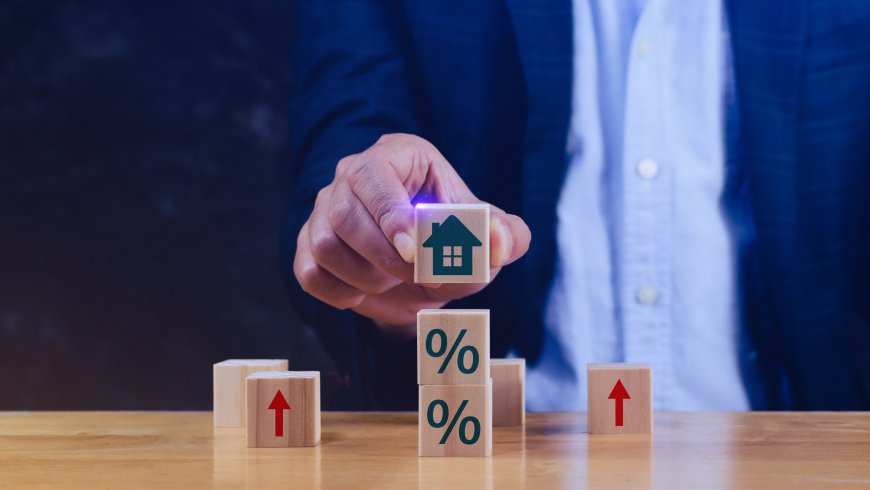
How Much Is the Real Estate Commission?
Quick Summary: Real estate commission costs can significantly reduce a homeowner’s final profit during a property sale. This guide breaks down how agent commissions work, who pays them, and how FSBO and flat-fee MLS alternatives help sellers reduce unnecessary expenses. Learn how homeowners can save thousands while still gaining strong market exposure and professional selling support.
Buying or selling a home in the USA can feel like a big job. One painful part of this job is paying a real estate commission. You might wonder, “How much is the real estate commission?” In this post, we will explain real estate commissions in simple words. We will cover who pays it, how it is set, and what it covers. By the end, you will know why commission matters and how ByOwner can help you save money. Let’s get started!
What Is the Real Estate Commission?
Real estate commission is a fee paid to the real estate agents who help buy or sell a home. It is usually a percentage of the home’s sale price. An Agent's roll in helping to sell your home includes many tasks… Some of them are: scheduling showings, market research, negotiating, handling paperwork, consulting, and helping with offers. The commission pays for their time and effort.

Commission fees are commonly set as a percentage, but may also be a flat dollar amount. In the case of a percentage, for example, if a home sells for $200,000 and the commission is 5%, the fee is $10,000. That money is often split between the buyer’s agent and the seller’s agent. Most people think of commission as a fixed number, but it can change. We will talk about how these numbers can be different.
Who Pays the Commission?
Who pays the commission can be different in each sale. In many cases, the home seller pays the entire commission. The seller’s agent takes a slice of the house’s sale price, and then gives some of that money to the buyer’s agent.
Sometimes, sellers do not want to pay the buyer’s agent fee. In that case, if a buyer still wants an agent, the buyer might need to pay their own agent. This means that a buyer could pay their agent money out of their own wallet, on top of any closing costs. It is very important to talk about this before signing any papers. Buyers paying the commission of their agent is less popular, but there is a shift towards it occurring more often.
How Are Commission Rates Determined?
Real estate commission rates are not set by law. There is no “rule” that says commission must be 5% or 6%. Instead, agents and brokers choose their own rates. Many agents work with their broker or real estate firm to set a rate. Different firms can have different standard rates.
Local markets can also make rates go up or down. In some busy areas, agents might ask for higher rates because homes sell quickly. In slower areas, agents may offer lower rates to get business. The key to know is that commissions are negotiable. This means you can talk with the agent and try to work out a fee that feels fair for both of you.
Example Commission Costs
To help you see how commission adds up, let’s look at a few examples. We will use three different commission rates: 5%, 3%, and 1.5%. Then, we will show how much money each rate costs for various home prices.

- Home Price $150,000
- 5% Commission = $7,500
- 3% Commission = $4,500
- 1.5% Commission = $2,250
- Home Price $200,000
- 5% Commission = $10,000
- 3% Commission = $6,000
- 1.5% Commission = $3,000
- Home Price $250,000
- 5% Commission = $12,500
- 3% Commission = $7,500
- 1.5% Commission = $3,750
- Home Price $350,000
- 5% Commission = $17,500
- 3% Commission = $10,500
- 1.5% Commission = $5,250
- Home Price $500,000
- 5% Commission = $25,000
- 3% Commission = $15,000
- 1.5% Commission = $7,500
These numbers show you roughly what you might pay. If you sell a $250,000 home at 5% commission, you pay $12,500. At 3%, you pay $7,500. At 1.5%, you pay $3,750. You can look at your own home’s price and multiply by the commission rate to see what it might cost.
Can You Negotiate Commission Fees?
Yes, commission fees are negotiable. There’s no law requiring agents to charge a specific percentage, so it’s always worth asking. Some agents may be open to adjusting their fees, while others may stick to their standard rate—it often depends on the agent, the brokerage they work for, and the current state of the market.
Keep in mind that the scope of work matters. If your sale requires extensive showings, additional marketing, or multiple open houses, an agent may be less willing to reduce their fee. On the other hand, if your home is easy to sell, or you're willing to handle certain tasks yourself, you may have more room to negotiate.
In some cases, commissions are also discussed at the time an offer is made. For example, if you receive an offer below your asking price, you might be more willing to accept it if the commission is reduced. If you and your agent agree to a lower fee under these circumstances, make sure to document any changes in writing before accepting the offer.
What Do Commission Fees Cover?
Commission fees cover many services that agents provide. When you hire an agent, you get more than just someone who shows you homes or lists your home. Here are some of the most common things commission pays for:

- Pricing Assistance. Agents use their local knowledge and expertise to help set a price for your home by looking at recent sales of similar houses in the area. This is called a Comparative Market Analysis (CMA). It helps you pick a price that is fair but also competitive. This is different than an appraisal, but the next closest thing.
- Marketing. Agents pay for ads, online listings, and signs. They put your home on the MLS and other websites where other agents and the public can find it. They might also create flyers and hold open houses. All of this costs money and time, and the agent is compensated for this out of the commission. If your home does not sell, the agent typically does not get paid for the services they provided.
- Negotiation. When someone makes an offer on your home, your agent takes on the role of negotiator, and works with you and the buyer or buyers agent to help paper the terms that are acceptable to all parties. They work to get you the best price and the best terms.
- Paperwork. Buying or selling a home involves a lot of forms. There are typically required contracts, disclosures, and inspection reports. Agents make sure you fill out each form correctly and follow the local and state rules. For most transactions the agents complete the paperwork versus hiring an attorney to do the same. Most agents however do not handle the closing paperwork, they only handle the “terms” of the sale. The closing paperwork is generally handled by a title company, or attorney.
- Guidance and Support. Agents have experience and knowledge about home inspections, appraisals, and closing. They help you through each step so you do not feel lost. If any issues come up, like a bad inspection report, your agent can help you fix problems, guide you in the right direction or renegotiate the deal.
- Time and Expertise. Behind the scenes, agents invest a significant amount of time and skill in each transaction—even before a home is listed or a buyer makes an offer. They spend hours researching the market, prepping homes for showings, coordinating with photographers, managing scheduling, communicating with other agents, and handling countless details that most clients never see. Their expertise is built through years of hands-on experience, ongoing education, and staying up to date with laws, contracts, and market trends. While the commission may seem like a large amount, it often reflects many hours of unpaid work that only results in payment if and when
How Is the Commission Split Between Agents?
It is common for the total commission to be split between two agents. One is the listing agent (the seller’s agent) and the other is the buyer’s agent. Often, each agent gets half of the total.
For example, if you agree to a 6% commission on a $250,000 home, the total commission is $15,000. If you split it evenly, each agent gets $7,500. But the split does not stop there. Agents usually work under a broker or firm.

So each agent might hand part of that money to their broker. The agent might keep just a part of the money and give the rest to the broker they work for. This is why agents sometimes say they “net” a certain percentage, but the full commission is higher.
How Does the Commission Work for Buyers?
If you are buying, you might think you do not pay commission, but that is not always true. Often, the seller pays the full commission, which is split between the seller’s agent and the buyer’s agent. But sometimes the seller will not pay the buyer’s agent fee.
In those cases, if you still want an agent, you may have to sign a contract with your agent that says you will pay them a fee when the home sale closes. This buyer’s agent agreement is a promise to pay their commission if you buy a house. Always read these contracts carefully. Ask “Who pays my agent?” so you know what to expect before you start looking at homes.
Do You Pay Commissions If You Don’t Buy a Home?
If you look at houses with an agent and then decide not to buy, most agents will not get paid. This is because they get paid only when a sale happens and the deal closes. However, there can be exceptions. If you sign a special agreement called a buyer’s agency agreement, that contract might say you owe a fee even if you do not buy a home.
Some agreements set a time limit. For example, if you look at homes for six months, the agent might ask for a fee if you then decide to buy without using them. Always read the fine print. If you feel pressured, be sure to ask questions or talk to another agent. You do not want to get stuck paying someone if you do not buy a home or paying to see homes.
Is the Commission Part of Closing Costs?
Many people wonder if commission is part of closing costs. The short answer is no. It is usually paid at closing but is considered a separate item. Closing costs include fees like loan fees, title insurance, taxes, and other expenses to record the transaction.
Here is how it usually works: The seller pays the commission at closing out of the money they get from the sale. The commission is paid along with their other closing costs. From what remains, they pay off any mortgage or loans. Finally, the seller gets the rest as their proceeds. Buyers pay closing costs also, which can be a significant amount of money on top of the purchase price, especially if they are getting a loan. But buyer closing costs do not include agent commission unless the buyer agreed to pay their agent their fee. In this case, the fee can be handled at or after the closing.
What If Your Home Doesn’t Sell?
You might worry: “What if I list my home and it never sells?” In most cases, you do not pay commission if your home does not sell. That is because an agent is paid only when a sale closes. If the home never closes, the agent does not get paid.
However, your agreement with the agent might run for a fixed time. If the time period ends and you do not renew, you do not owe commission. But if you find a buyer soon after listing with the same agent, and that buyer saw the home during the contract period, you might still owe commission. Always read your listing agreement. Look for any special clauses, like a clause that says you owe a fee for buyers the agent introduced even if the sale happens later.
What Is Dual Agency?
Dual agency happens when one agent represents both the buyer and the seller in the same sale. This can help a deal move faster because one agent does both sides of the work. But it can also cause conflicts. For example, the agent works for both sides, so they cannot give one side all the best secrets or tips. Because of this, many states have rules or laws about dual agency.

Before you agree to dual agency, make sure you understand the pros and cons. In some places, dual agency is not allowed at all. In others, an agent can do it if both the buyer and seller sign a form saying they agree. If you do have dual agency, you might get a lower commission because the agent is doing fewer tasks than if they represented only one side.
Conclusion
Real estate commission is a fee paid to agents for helping buy or sell a home. It is usually a percentage of the sale price, but you can often negotiate the rate. The seller usually pays the commission, but buyers sometimes pay their own agent. Commission fees cover many services like pricing, marketing, negotiation, time and paperwork. The fee is often split between the buyer’s agent and seller’s agent, and then split again with the broker.
For some sellers, choosing a For Sale By Owner (FSBO) approach or working with a flat fee listing service can be a smart way to reduce or even eliminate traditional commission costs. Instead of paying a 5–6% commission, a flat fee office typically charges a one-time upfront fee to list your home on the MLS and major real estate websites, giving your property exposure without the high cost. This model works well for sellers who are comfortable handling showings, negotiations, and paperwork themselves—or who want to retain more control over the process. While you may still need to offer a commission to a buyer’s agent, your overall savings can be significant. It’s a good option for motivated, hands-on sellers who are looking to keep more of their equity.
At ByOwner, we help you save on commission by allowing you to list your home yourself. You get to decide if you want to compensate a buyer's agent or not. If you do, our system lets you decide a commission without paying extra for things you may not need. This can save you thousands of dollars. If you are thinking, “How much is the real estate commission?” or looking for ways to keep more money when you sell, ByOwner can help.
Ready to sell your home without high commission fees? List your home with ByOwner today and keep more money in your pocket!
What's Your Reaction?
 Like
0
Like
0
 Dislike
0
Dislike
0
 Love
0
Love
0
 Funny
0
Funny
0
 Angry
0
Angry
0
 Sad
0
Sad
0
 Wow
0
Wow
0




![Sell Your Home Without a Realtor: Complete FSBO Guide [2025]](https://www.byowner.com/blog/uploads/images/202505/image_140x98_68300b932bff0.jpg)


![How Much Can I Sell My House For? Home Value Guide [2025]](https://www.byowner.com/blog/uploads/images/202505/image_140x98_6832c38808367.jpg)