



What Documents Do I Need to Sell My House?
Selling a house requires proper paperwork. Learn the essential documents you need- from property deeds to tax records- to sell your home smoothly.
What Documents Do I Need to Sell My House?
Selling your house is a big step — kind of like closing one chapter of your life to begin an entirely new one. There’s a lot to think about, but one of the most important things is making sure you have all the right paperwork. Think of these documents like a travel checklist — without them, the journey can get bumpy real fast!
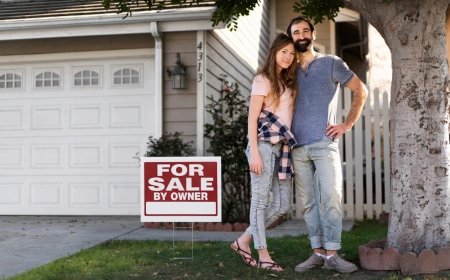
Whether you're selling your home on your own (that’s called FSBO — For Sale By Owner) or just preparing for a sale, having the right documents will make everything easier. In this guide, we’ll walk you through the must-have documents you need to sell your home — explained in simple, friendly language. Don’t worry, you don’t need to be a real estate expert. By the end, you’ll feel confident and ready to tackle your home sale like a pro.
- Nearly 80% of buyers say they would pay more for a home with flawless paperwork and disclosures.- Source
- Homes with organized document packages close 30% faster than those without. Source
1. The Deed and Title: Proof of Ownership
First, you need a deed and a title for your house. The deed is like the house’s ID card or birth certificate. It shows exactly who owns the house. You can think of the deed like a car title: it has the names of the owners and details about the house. The title is the proof that you own the house. When you sell, you give a copy of the deed to the buyer so they know the house now belongs to them. The deed has the house’s description and the current owner’s name. If you can’t find the original, a copy is usually available online through your county’s property appraiser’s office.

2. Loan Papers: Mortgage and Payments
If you still owe money on your house (a mortgage), you need to show that paperwork. Think of it as showing a loan statement that tells how much is left to pay. Buyers and their bank will want to see this. Sellers should give buyers a payoff statement. With that, you can figure out how much you’ll make after paying off the loan.
3. Inspections: Home and Pest Reports
Before selling, people often check for problems. Some sellers get a home inspection done, which is like taking the house to a doctor. It shows if anything needs fixing. It’s not required by law, but it makes buyers feel safer.
A pest inspection checks for termites or bugs. In some places, it’s very common for sellers to do both home and pest inspections, even though they’re not required. If you have these reports, give copies to the buyer. That way, they know the house is healthy.
4. Repair and Upgrade Receipts
Have you fixed things or made upgrades? Keep the receipts and records! For example, if you have a new roof or new kitchen appliances, save the receipt. These papers prove the work that was done or what you bought. These records are like before‑and‑after pictures or coupons for your house. They help show the buyer what has been improved. Receipts and warranties for new appliances or upgrades help document what’s been done. For example, a receipt for a new refrigerator shows the buyer it’s brand new and still under warranty.
5. Appliance Manuals and Warranties
Along with receipts, include any manuals or warranty papers for appliances. These are like instruction booklets or guarantees for toys. If a stove or fridge breaks, the warranty might cover it, and the manual shows how to use it. Having these on hand makes buyers happy because it’s one less thing they have to track down. It’s like giving the new owner a special handbook for the house’s gadgets.
6. Insurance, Taxes, and HOA Papers
Next, gather your insurance and tax paperwork. Find your home insurance policy or bill. It shows what coverage you have and how much it costs. It’s like showing health insurance info. The buyer might need this for their loan.
Also find your property tax bill. This tells the buyer how much was paid in taxes last year, a hint of what they’ll pay later. It’s good to be upfront about taxes.
If your home has a Homeowners Association (HOA), include those documents too. An HOA is like a club for your neighborhood with rules about parking, pets, and noise. You may need to give copies of  the HOA rules, bylaws, and statements of any fees. Providing HOA papers can make the sale go smoother, because buyers then know the community rules.
7. Survey
Some documents describe the house and land itself. A property survey is one. It’s like a map showing your exact property lines, easements, and where fences or structures are. Imagine it as a treasure map of your yard. It shows buyers exactly how your home is plotted on the land.
Putting It All Together
You might have a lot of papers by now! Put them in a folder or box so they’re easy to find. You could make a checklist like this:

- Deed and Title – proof you own the home
- Mortgage statement – how much you owe on your loan
- Repair receipts and warranties – evidence of improvements and new appliances
- Appliance manuals – instruction booklets for your stove, fridge, etc.
- Insurance policy and tax bills – cost info the new owner should know
- HOA documents – neighborhood rules and fee info
- Survey map – boundaries of your property
- Certificates of occupancy or permits – proof the home is built to local safety standards
- Home and pest inspection reports – checks of the house’s condition
When you have these, everything is much clearer for the buyer. They feel like they have the full story and can trust the sale. It’s like giving someone the instruction book and warranty when selling a big toy — it makes them feel good.
Conclusion & Next Steps
Selling your house by yourself doesn’t have to be overwhelming. Having all these documents ready when you have a buyer will make your sale smoother for you, the new buyer, and your closing agent. Please note, these documents don’t have to be delivered to every interested buyer at once and may not be offered until you have negotiated satisfactory terms.
Note: The deed (like a car title) proves you own the home, and things like receipts, manuals, and reports tell the story of your house’s history and health.
Ready to get organized and start your sale? Use ByOwner—your leading FSBO partner in the USA—to manage every step:
With ByOwner by your side, you’ll have the tools, guides, and checklists you need to sell confidently and efficiently. Good luck and happy selling!
What's Your Reaction?
 Like
0
Like
0
 Dislike
0
Dislike
0
 Love
0
Love
0
 Funny
0
Funny
0
 Angry
0
Angry
0
 Sad
0
Sad
0
 Wow
0
Wow
0




![Sell Your Home Without a Realtor: Complete FSBO Guide [2025]](https://www.byowner.com/blog/uploads/images/202505/image_140x98_68300b932bff0.jpg)


![How Much Can I Sell My House For? Home Value Guide [2025]](https://www.byowner.com/blog/uploads/images/202505/image_140x98_6832c38808367.jpg)